
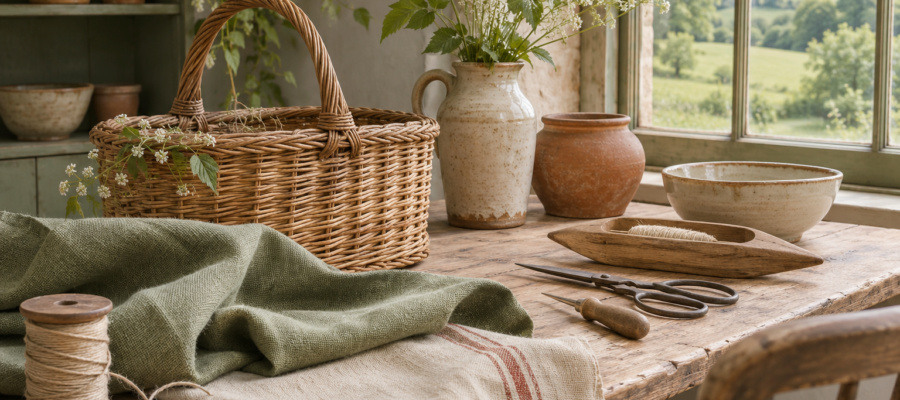
A handmade object invites attention through details that are easy to overlook at first. A woven edge, the curve of a handle or the texture of a ceramic surface can reveal how a piece was considered. Start by looking carefully before trying to name a tradition or technique.
Describe what you can actually see. Note proportions, repeated patterns and the relationship between the object’s shape and its everyday purpose. Distinguish visible evidence from a story about its maker or origin that has not been confirmed.
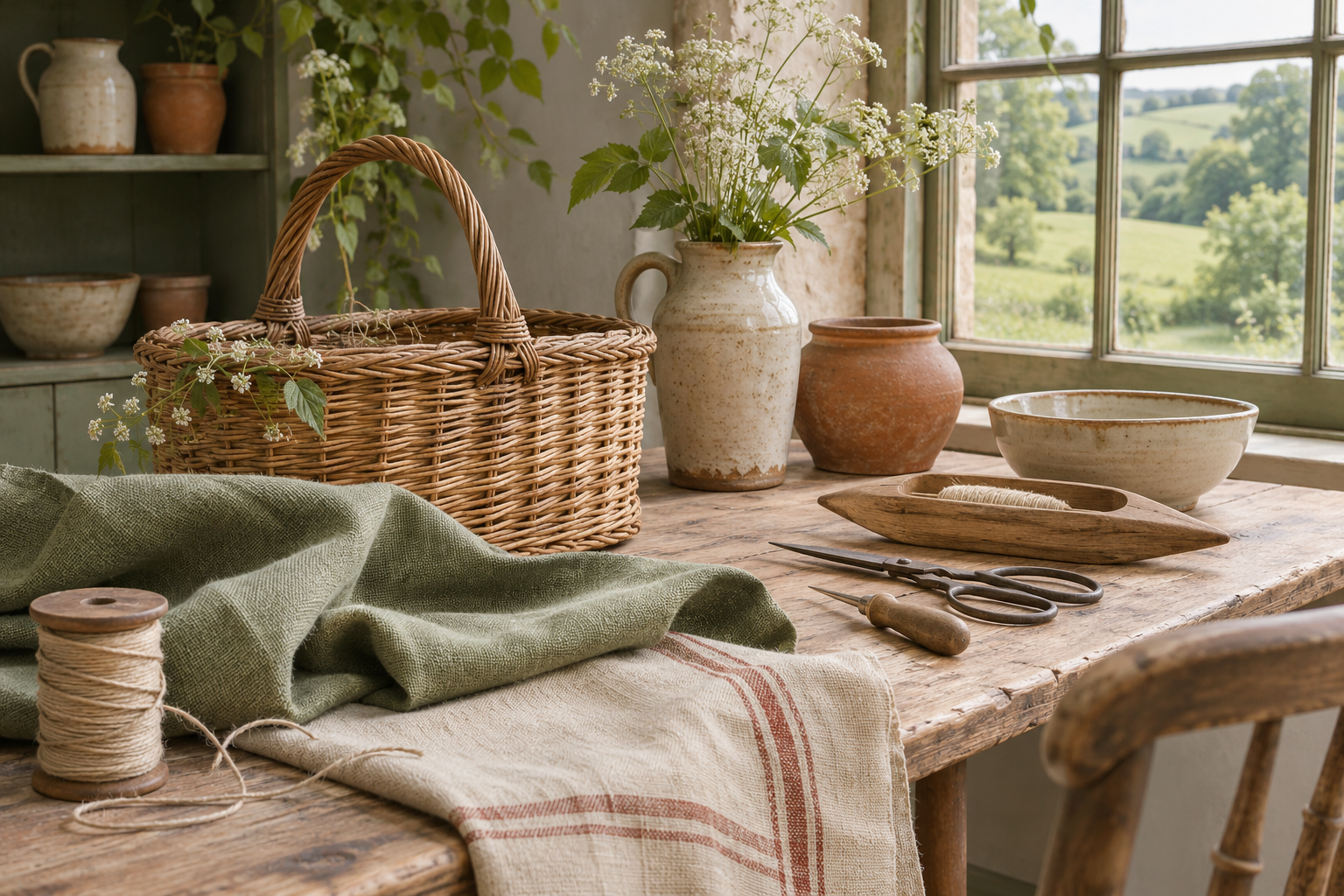
When speaking with a craftsperson, ask about the decisions behind the work. A practical question about material or form may open a more useful conversation than a broad request for inspiration. Keep the maker’s own account alongside your observations.
At home, choose a place where the object can be appreciated without being crowded by competing details. Follow care guidance supplied for its particular material and finish. Living with handmade things can encourage a slower kind of attention, grounded in the object itself and in the information its maker is willing to share.