
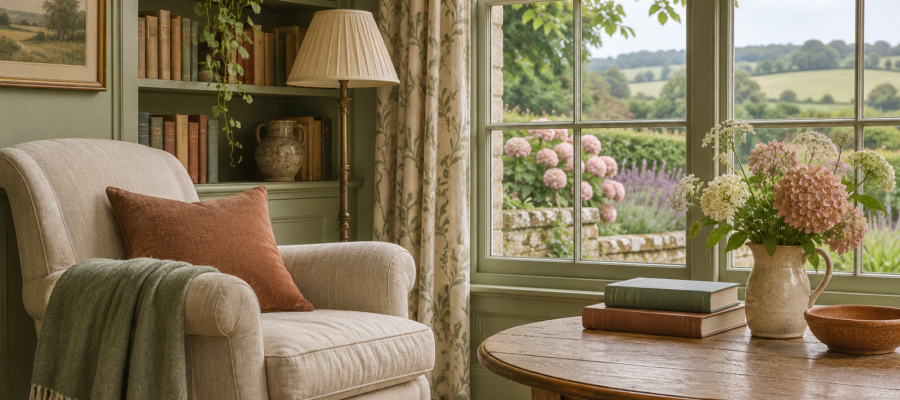
An entryway works hard even when it occupies very little space. It receives coats, bags and the objects people carry between indoors and outside. A welcoming arrangement begins by understanding those everyday movements rather than by choosing decorative accessories.
List what actually arrives at the door during a normal week. Give frequently used items an obvious place, while keeping the route through the entrance clear. A modest tray can collect small belongings, and a simple seat may be useful where space allows.
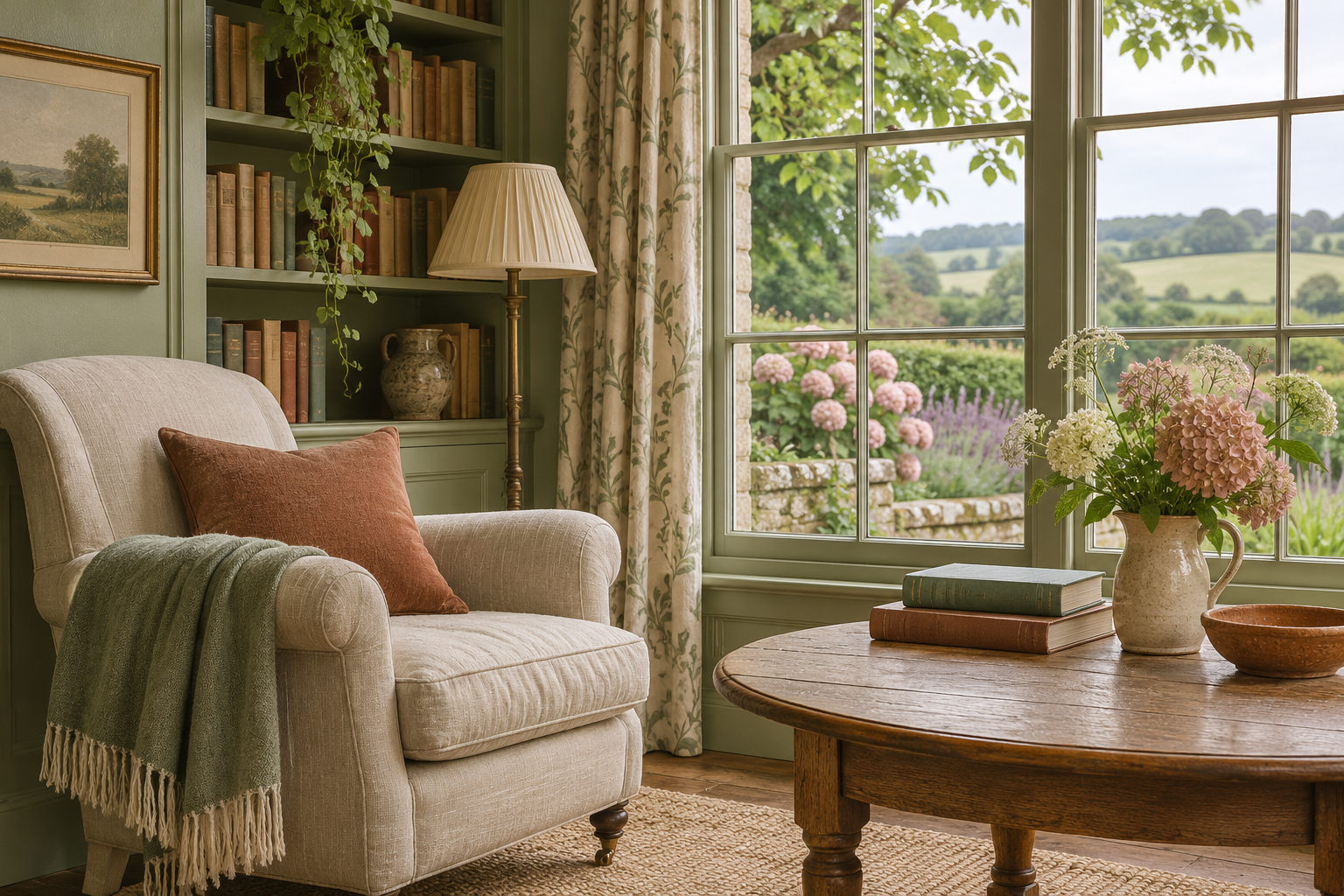
Choose a small number of visible materials that relate to the rest of the home. A woven texture, warm wood or a muted fabric can create continuity without making every item identical. Keep decorative pieces away from the places needed for practical use.
Review the entrance at the end of a busy day. Objects left in the wrong place may reveal a missing convenience rather than a lack of tidiness. Adjust the arrangement to match those habits. A good entryway offers a calm transition because it makes ordinary arrivals easier, not because it remains perfectly staged.