
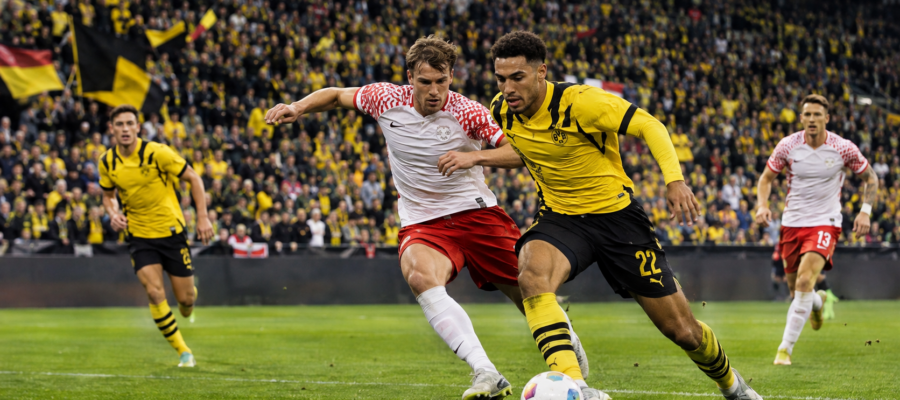
German football has a distinctive intensity. Matches often develop at remarkable speed, with aggressive pressing, rapid transitions and attacking combinations that can turn a balanced contest into a dramatic spectacle within seconds. Yet the excitement of the Bundesliga is not limited to goals and fast counterattacks. Behind every result are tactical decisions, individual performances, club traditions and the reactions of supporters who bring each stadium to life. Exploring Bundesliga match replays offers an opportunity to revisit these moments and understand what makes German football so distinctive.
The Bundesliga has developed a reputation for entertaining football and a strong connection between clubs and their communities. Its history includes dominant teams, unexpected challengers, remarkable individual achievements and seasons in which the balance of power changed dramatically. Every campaign introduces new stories, while familiar rivalries continue to provide some of the competition’s most emotional occasions.
Watching a complete match makes it possible to experience more than the final result. It reveals how teams create opportunities, respond to pressure and adapt when their original plans no longer work. The quieter passages can be just as revealing as the goals, particularly in a league where tempo and collective organisation play such important roles.
The High-Intensity Character of German Football
The Bundesliga is widely associated with energetic, forward-thinking football. Many German teams place considerable emphasis on pressing, quick movement and the ability to attack immediately after recovering possession. This approach can create an entertaining rhythm, with both sides constantly looking for opportunities to move the ball into dangerous areas.
High pressing is an important part of this identity. Rather than allowing opponents time to organise their attacks, teams may attempt to close down passing options close to the ball. The objective is not simply to win possession but to force mistakes in areas where a turnover can quickly become a scoring opportunity.
This style requires coordination. One player may initiate the press, while teammates move into positions that block possible passing routes. If the first attempt fails, the entire structure must adjust quickly to avoid leaving open spaces behind.
Watching a complete match reveals how these movements develop. It becomes easier to see whether a team presses consistently or chooses specific moments to increase the intensity. Viewers can also notice how opponents respond, using longer passes, quick combinations or changes in positioning to escape pressure.
The physical demands of this approach are considerable, but the tactical intelligence behind it is equally important. Successful pressing depends on timing, communication and a shared understanding of when to advance and when to protect space.
The Bundesliga’s Unique Matchday Atmosphere
One of the most recognisable features of German football is the atmosphere inside its stadiums. Supporter culture has a central place in the identity of many Bundesliga clubs, and matchdays often feel like major community events rather than isolated sporting occasions.
Large standing sections, coordinated chants, flags and colourful displays contribute to an environment that can remain intense throughout a match. Supporters are not simply spectators observing the action. Their involvement is an important part of the experience, particularly during difficult moments when a team needs encouragement.
The relationship between clubs and their local communities is another defining characteristic. Many German teams have developed strong regional identities, with generations of supporters maintaining connections to the same institutions. These traditions influence the atmosphere surrounding home matches and help explain why certain fixtures carry emotional significance beyond the league table.
A full match recording preserves more of this experience than a short highlights package. It captures the changing mood of the stadium, the reaction to a missed opportunity and the excitement that follows a decisive goal. The sound of the crowd can also reveal how the balance of a contest changes before the scoreboard does.
For viewers interested in football culture, these details are an essential part of understanding the Bundesliga.
Bayern Munich and the Challenge of Staying on Top
Bayern Munich has been one of the defining forces in German football for many years. Its domestic success has created a demanding standard for competitors, while its performances in European competitions have helped establish the club’s international reputation.
However, the importance of Bayern extends beyond its trophy collection. The club’s presence influences how other teams approach their seasons. Challengers must find ways to compete with a side accustomed to controlling matches, managing pressure and maintaining high expectations.
Watching Bayern across an entire match can reveal the different methods used to achieve this control. The team may dominate possession, press aggressively after losing the ball or patiently search for openings against a compact defence. Its opponents often face the challenge of balancing defensive discipline with the need to create attacking opportunities.
Yet the Bundesliga’s appeal does not depend on one club. The competition becomes especially interesting when challengers demonstrate that established hierarchies can be questioned. A strong performance against a leading team can change the atmosphere around a club and give its supporters renewed belief.
The tension between established dominance and emerging ambition is an important part of the league’s long-term story.
Dortmund, Leverkusen and the Competition for Identity
Borussia Dortmund has built a distinctive identity through its attacking ambition, passionate support and ability to develop exciting players. Its home atmosphere is among the most recognisable in European football, and matches at Signal Iduna Park often carry an intensity that becomes part of the spectacle.
Dortmund’s history also reflects the importance of youth development. The club has repeatedly provided opportunities for emerging talents to establish themselves at a high level. Watching complete matches can reveal how young players gradually adapt to the demands of professional football, learning to make decisions under pressure and contribute to a collective system.
Bayer Leverkusen has also become an important part of the Bundesliga’s modern story. Its development demonstrates how a team can build a distinctive playing identity through tactical organisation, technical quality and effective use of its squad. Strong collective performances can challenge expectations and reshape the competitive landscape.
These clubs illustrate why the Bundesliga is more than a competition dominated by one familiar name. Different teams bring different ambitions and methods, creating a league in which sporting identities continue to evolve.
Young Players and the Bundesliga’s Development Culture
The development of young footballers has long been an important feature of German football. Clubs invest in training structures designed to help talented players progress from youth teams into professional environments. The transition requires more than technical ability: young athletes must learn to cope with physical challenges, tactical responsibilities and the psychological demands of senior competition.
The Bundesliga provides a platform where emerging players can gain experience against established professionals. Some arrive with considerable attention surrounding their potential, while others develop gradually through consistent performances and opportunities created by injuries, squad rotation or changes in coaching strategy.
A complete match gives viewers a better understanding of this process. Instead of concentrating only on a successful dribble or a goal, it becomes possible to observe how a young player behaves throughout the contest. Does the player remain involved after making a mistake? Can they recognise when to press and when to conserve energy? Are they able to maintain concentration when the opponent increases the pressure?
These details reveal aspects of development that statistics cannot fully describe. They also help explain why patience and regular playing time are important for young footballers.
The presence of emerging talents adds another dimension to the Bundesliga. Supporters can follow players from their first appearances to the point when they become central figures in their teams.
Tactical Adjustments Behind the Fast Pace
The speed of German football can sometimes create the impression that matches are driven mainly by physical energy. In reality, high-tempo play depends on carefully organised tactical structures.
A team pressing aggressively must know how to protect the spaces left behind. Midfielders need to recognise when to advance, defenders must coordinate their positioning and forwards have to understand which passing options should be closed. Without this organisation, an aggressive approach can quickly become vulnerable.
The same is true of counterattacking football. A successful transition requires players to recognise an opportunity immediately and move into useful positions. The first pass after winning possession can determine whether the attack develops into a dangerous situation or loses momentum.
Full-match viewing makes these patterns easier to recognise. Viewers can follow how a team changes its shape after losing the ball, how its defensive line responds to quick forward passes and whether the players maintain their intensity during the second half.
Substitutions are another important element. A fresh attacker may increase the pressure on a tired defence, while an additional midfielder can help a team regain control. These decisions are often connected to developments that began much earlier in the match.
The final score rarely explains the complete tactical story. The full contest provides the necessary context.
Der Klassiker and Other Memorable Rivalries
The Bundesliga contains several fixtures that carry significance beyond the immediate competition. The meeting between Bayern Munich and Borussia Dortmund, commonly known as Der Klassiker, has become one of the most recognisable encounters in German football.
These matches bring together two clubs with different histories and strong sporting ambitions. Their meetings have often influenced the title race and produced memorable individual performances. The atmosphere surrounding the fixture reflects the importance attached to it by supporters and players alike.
However, German football has many other rivalries worth following. Local derbies can carry intense emotional meaning, particularly when neighbouring cities or regions are represented by clubs with long-standing competitive relationships.
These fixtures often reveal another side of the Bundesliga. The tactical plans may be influenced by the emotional importance of the occasion, while individual challenges become more intense and the atmosphere inside the stadium grows increasingly charged.
Watching a complete derby allows supporters to experience the gradual development of that tension. A short collection of goals cannot fully reproduce the atmosphere, anticipation and changing emotions that shape the entire match.
Why Full Matches Offer More Than Highlights
Highlights are an efficient way to catch up with the main incidents of a fixture. They usually focus on goals, important saves, penalties and controversial moments. For supporters with limited time, this format can provide a convenient overview.
However, short summaries leave out much of the match. They rarely show every defensive movement, the periods when teams struggle to create opportunities or the tactical adjustments that influence the result.
Extended highlights provide more context but still select particular passages. A complete match preserves the original sequence of events, allowing viewers to understand how the contest developed from beginning to end.
This difference is especially important in the Bundesliga, where changes in tempo can be central to the outcome. A goal may follow several minutes of sustained pressure, while a successful counterattack may begin with a defensive action that happened far from the camera’s main focus.
Watching the full contest also changes the way individual players are evaluated. A defender’s contribution may be visible through consistent positioning rather than spectacular tackles. A midfielder may influence the game by controlling its rhythm, while a forward can create opportunities through movement without necessarily scoring.
The complete recording allows these contributions to be appreciated alongside the most dramatic incidents.
Preserving the Stories of Every Bundesliga Season
Every Bundesliga campaign produces its own collection of sporting memories. There are title races, unexpected victories, difficult relegation battles, breakthrough performances and matches that become important turning points in a club’s history.
Returning to earlier encounters can reveal how these stories developed. A young player’s first major performance may look different after a successful season. A narrow defeat may become significant when viewed in the context of a later recovery. A victory against a direct rival may mark the beginning of a period of confidence.
Complete match recordings help preserve this sporting history. They retain not only the goals but also the atmosphere, decisions and movements that made each fixture unique.
The Bundesliga is compelling because it combines speed with strategy, individual talent with collective organisation and sporting ambition with strong community traditions. Its most memorable moments are worth revisiting, but the complete story is often found in the passages between them.
The final whistle may close a match, yet returning to the full contest offers another way to appreciate what happened. Every movement, tactical adjustment and reaction contributes to the identity of German football, making each season a collection of stories that deserve to be experienced beyond the final score.